Detoxicology
Cleaning up the world, one person at a time
How Mycotoxins devastate human health, and what can help.
Dr Fiona Dann Ray, MSc Applied Toxicology, MSc Chiropractic.
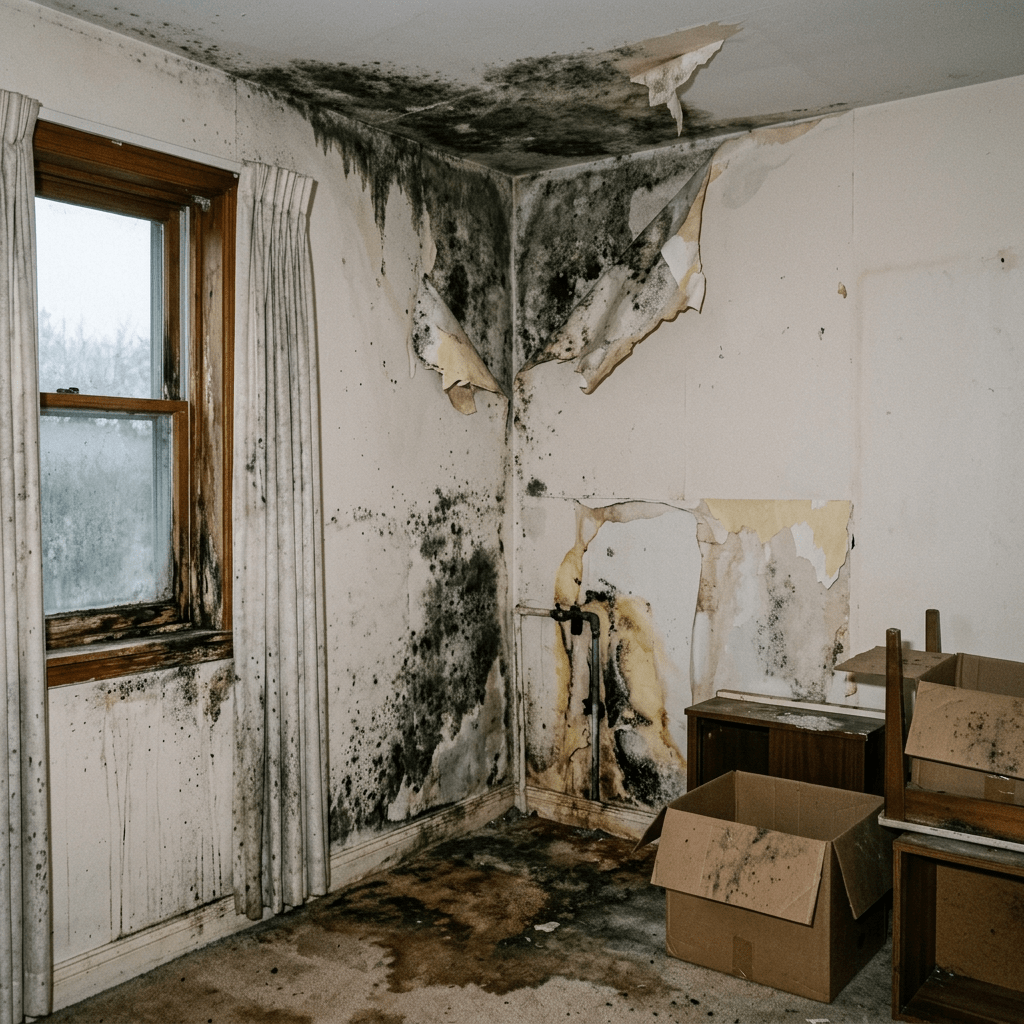
Mould as a focal issue
One of the greatest sources of indoor air pollution is household mould. Water damage, condensation and poor ventilation all contribute to the growth of mould in a house.
Moulds produce chemicals known as mycotoxins, these are biologically active chemicals that are toxic to human health. Over 400 mycotoxins have been classified. Mycotoxins affect the immune system, brain, liver, kidneys and lungs, and put stress on all areas of the body. They drive inflammation and increase the risk of cancer. For example, being exposed to mould in your household increases the risk of Asthma 1.41 fold[i].
Mycotoxins disrupt the integrity of epithelial membranes- these are tissues such as the nasal cavity, lungs and gastrointestinal system. The cells lining the GI tract are held together by tight junctions, and they form a barrier between the toxins and pathogens in the gut, and the blood stream. Mycotoxins damage tight junction function (DON, ZEA, aflatoxin B1 and M1, Ochratoxin A, T-2, HT-2) , cause oxidative stress, cell death via apoptosis, and inflammation[ii]. They also impair the normal and necessary proliferation of intestinal stem cells, to continuously replace the gut lining. The overall effect is intestinal dysfunction, leaky gut and impaired gut regeneration. DON represses mucin production, removing another protective mechanism for the gut. It also affects goblet cells and Paneth cell function, increasing overall vulnerability to gut toxins and microbes.
Mycotoxins can cross the blood brain barrier, with Beauvericin (BEA), Ochratoxin A (OTA) and Zearalenone (ZEA) known to do this[iii]. Mould exposure for young children trebles the risk of low IQ[iv] when exposed for two years or more. The average IQ drop was 10 points. Mould exposed adults display neurological effects such as decreased reaction time, poor body balance and functional worsening of blink reflex latency, colour discrimination and visual fields compared with unexposed controls.
Higher rates of depression are seen in the mould exposed. Other neurological symptoms experienced include ‘ fatigue, memory loss, cognitive function loss, headaches, tremors, numbness and tingling, blurred vision, tinnitus, and muscle weakness’[v]. Mould exposure produces similar effects to mild-moderate traumatic brain injury[vi]. There is a dose-response relationship with the level of mould exposure, and abnormal neuropsychological test and Quantitative EEG, so higher markers of mould exposure give higher levels of abnormal tests[vii].
In autism spectrum disorder, some studies have shown differences in the level of mycotoxins in urine and serum between autistic children and their siblings[viii], and a greatly increased level of GI based symptoms and intestinal hypermobility, which would increase the impact of mycotoxins on mitochondria and the brain. Higher levels of fungal organisms such as Candida albicans were seen in the gut flora of ASD children compared to non ASD siblings[ix]. A study of 52 people with ASD showed significantly higher OTA levels than controls[x]. OTA increases microRNA-132, which is dysregulated in many people with autism. MicroRNA-132 is involved in the reciprocal regulation of the genes PTEN and MeCP2, which are related to Autism.
In clinic I have seen mould exposure as a driver of repeat chest infections and pneumonia, brain fog, chronic fatigue, worsening autism type symptoms and increasing allergic responses. Gut symptoms including IBS and inflammatory bowel disease, bloating, brain fog after eating are also issues I’ve seen. In these cases the clients had tried many different therapies, to minimal result, as they had not dealt with the primary problem.
Dealing with household mould
The key to dealing with mould and mycotoxin exposure is to reduce or eliminate exposure. Identifying the location and cause of mould is key. Checking behind furniture that is against a wall, around windows, checking the roof space, bathroom and kitchen areas helps. For a comprehensive survey of a mould issue, specialist companies can provide preliminary air or swab tests, and then do a through examination of the house and suggest remedial action.
Things you can do:
- Clean any visible mould/ black marks around windows and bathroom fittings
- Use a dehumidifier in areas with more water exposure – drying clothes, bathrooms, kitchens, areas with damp
- Open windows each day for at least 10 minutes – this removes a lot of the airborne toxins in the house
- Dry clothes outside where possible
- Clean any visible mould with a water and vinegar mix
- Run a cleaning hot cycle on the dishwasher and washing machine regularly – once a month at the least.
- Vacuum up dust regularly – house dust is rich in volatile chemicals, dustmite allergens, mould toxins and dead skin cells.
Removing mould toxins from the body.
Binding and removing mycotoxins from the body can be a slower process that expected. Mould toxins tend to lead to an increased amount of body fat and reduction in protein levels. Toxins can be retained in body tissue such as (in descending order) kidney, liver/ muscle, body fat. They have also been found in the adrenal cortex and medulla, skin, gastric mucosa, bone marrow and myocardium[xi]. Ochratoxin A has been found in human breast milk and various cancers. A baby born to a mother who lived in a water damaged home had detectable OTA in cord blood, the placenta and maternal blood, urine, nasal secretions, other family member had OTA in urine and nasal secretions. Even the family dog had OTA in its urine and in an ear mass[xii].
Chlorella is a known mycotoxin and endotoxin binder[xiii].
Clinical experience has found that ultramicronised chlorella is an effective binder of many mycotoxins. Research supports this finding:
Chlorella has been tested against hepatic aflatoxicosis, aflatoxin residues and meat quality in quail[xiv]. Aflatoxins (AF) are regarded as the most damaging mycotoxin and there is a known link between consumption of AF in food, and liver cancer. It is known to be immunosuppressive and a large source of oxidative stress. AF contaminates about 25% of the world’s crops, and this level is expected to increase due to current climate trends.
Aflatoxin B1 targets mitochondria, leading to oxidative stress and mitochondrial dysfunction[xv]. AF driven oxidative stress leads to a large increase in malondialdehyde (MDA), a signal of lipid peroxidation, which is a marker of cell and mitochondrial membrane damage. Cell defenses against oxidative stress are also badly affected, with decreased glutathione levels (GSH), decreased SOD and decreased glutathione peroxidase. Upregulation of inflammatory cytokines (TNF-alpha, IL-6, IL-1 beta) was seen in AF exposure, and residues of AF were found in muscle tissue and liver, with increased fat % and decreased protein.
When chlorella was added to the aflatoxin group, levels of inflammatory cytokines dropped, liver function improved, survival was greatly improved, AF traces in muscle and liver dropped. Mortality in quail Aflatoxin groups was 27%, Aflatoxin plus chlorella mortality was just 3%, showing a greatly protective effect.
Chlorella bound 80% of Deoxynivalenol (DON) and 40% Ochratoxin A in mouse studies[xvi]. Ochratoxin A can cause blood brain barrier damage, nephron and hepatotoxicity, developmental toxicity and mutagenicity. It binds to albumin in the blood[xvii] and lymph. Ochratoxin A occurs in foods such as wine beer, chocolate, dried vine fruit, grape juice, spices, pork, poultry and dairy. Excretion has been found in human sweat, and is also excreted via urine and faeces, all be it slowly. Gut microflora is also important in metabolism and detoxification of ochratoxins.
Chlorella has antifungal activity against pathogenic fungal organisms such as Aspergillus niger and Candida albicans[xviii]. Bioactive polysaccharides and fatty acids interfere with fungal cell wall integrity, leading to cell death[xix]. Candida Albicans has a dynamic cell wall structure for rapid adaptation to the environs that it inhabits.
Chlorella extract decreased aspergillus flavus growth by 53% by inhibiting cell membrane growth.
Helpful supplements in mould toxicity:
- Ultra micronised chlorella
- Antioxidant support. Small amounts of many different phytonutrients, polyphenols, antioxidant vitamins and bioflavonoids will help reduce the level of oxidative stress
- Many flavonoids and carotenoids[xx]
- Glutathione support. Liposomal glutathione, NAC, Selenium all helpful in supporting glutathione levels
- Vitamins A, C and E
- Sauna to increase sweat (with care)
- Clay and zeolite for gut cleaning / dietary exposure
- Licorice extract (OTA)[xxi]
- Melatonin (OTA)
- Butyrate[xxii]
- L-carnosine
- Lauric acid
- Lactobacillus species[xxiii].
References.
[i] https://pmc.ncbi.nlm.nih.gov/articles/PMC7965337/
[ii] https://pmc.ncbi.nlm.nih.gov/articles/PMC12656439/
[iii] https://pmc.ncbi.nlm.nih.gov/articles/PMC8576748/
[iv] https://pmc.ncbi.nlm.nih.gov/articles/PMC3758954/
https://pubmed.ncbi.nlm.nih.gov/15143851
[vi] https://www.tandfonline.com/doi/10.1207/s15324826an1102_1?url_ver=Z39.88-2003&rfr_id=ori:rid:crossref.org&rfr_dat=cr_pub%20%200pubmed
[vii] https://www.tandfonline.com/doi/abs/10.3200/AEOH.58.8.452-463
[viii] https://pmc.ncbi.nlm.nih.gov/articles/PMC5535150/
[ix] https://pmc.ncbi.nlm.nih.gov/articles/PMC11396985/
[x] https://www.tandfonline.com/doi/10.1080/1028415X.2017.1357793?url_ver=Z39.88-2003&rfr_id=ori:rid:crossref.org&rfr_dat=cr_pub%20%200pubmed
[xi] https://pmc.ncbi.nlm.nih.gov/articles/PMC3255309/
[xii] https://pmc.ncbi.nlm.nih.gov/articles/PMC3255309/
[xiii] https://pmc.ncbi.nlm.nih.gov/articles/PMC3654247/
[xiv] https://pmc.ncbi.nlm.nih.gov/articles/PMC9787596/
[xv] https://pmc.ncbi.nlm.nih.gov/articles/PMC10674195/
[xvi] https://pmc.ncbi.nlm.nih.gov/articles/PMC12300608/
[xvii] https://pmc.ncbi.nlm.nih.gov/articles/PMC3255309/
[xviii] https://pmc.ncbi.nlm.nih.gov/articles/PMC7221910/
[xix] https://www.mdpi.com/2076-3417/14/23/10810
[xx] https://pmc.ncbi.nlm.nih.gov/articles/PMC8576748/
[xxi] https://pmc.ncbi.nlm.nih.gov/articles/PMC3255309/
[xxii] https://pmc.ncbi.nlm.nih.gov/articles/PMC12656439/
[xxiii] https://www.tandfonline.com/doi/10.1080/1028415X.2017.1357793?url_ver=Z39.88-2003&rfr_id=ori:rid:crossref.org&rfr_dat=cr_pub%20%200pubmed
 Detoxicology