Detoxicology
Cleaning up the world, one person at a time
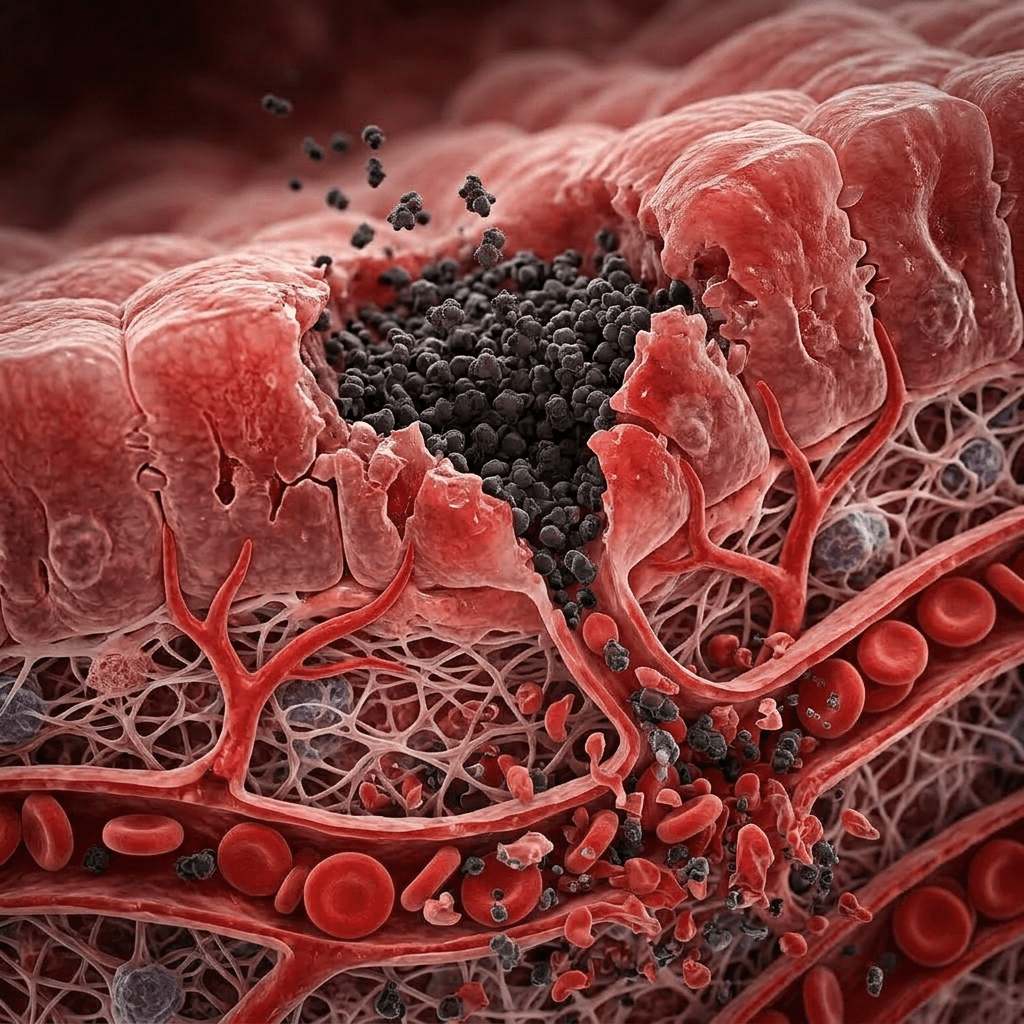
What if the greatest source of toxins in your body is actually from you?
The overlooked link between gut health, brain health and mental health.
Dr Fiona Dann Ray MSc Applied Toxicology, MSc Chiropractic
Summary
Depression, anxiety, social withdrawal, cognitive and memory issues, inflammation and immune system issues can be due to the same issue – toxins released from the gut. Most of us have unhealthy gut flora from a combination of poor diet, low fiber intake and antibiotics. Unhealthy gut flora causes gut inflammation, leaky gut and produces large amounts of toxins such as LPS (lipopolysaccharide). LPS crosses into the blood stream and causes brain and body inflammation. LPS also causes dysfunction of the mitochondria, the power stations in our body cells. Chlorella is an excellent binder of LPS and other endotoxins. Taking chlorella improves intestinal health, reduces inflammation and boosts antioxidant defenses. Reducing LPS levels can help mental health, reduce inflammation, improve the immune system
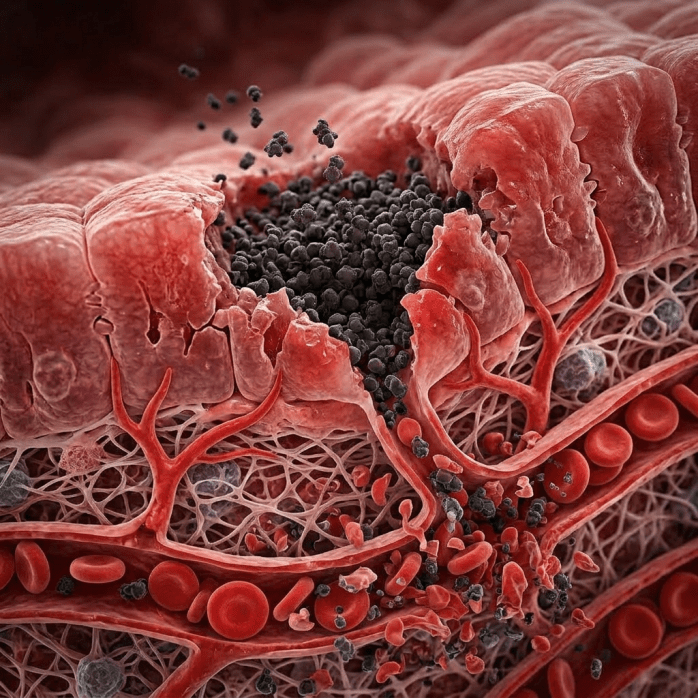
When we think of toxins affecting human health, we tend to think of sources like food, pollution, recreational drugs, alcohol, all sources of toxins in our surroundings. For a lot of people though, toxins created within the body are the biggest immediate problem. These toxin are called endotoxins, and the effect of this poisoning of the body is known as endotoxemia.
So where do endotoxins come from?
The largest source of endotoxins in the body is an unhealthy dysbiotic gut flora. Various bacterial infections also produce copious amounts of toxins into the body. The third common source of endotoxins are chronic infections.
Acute bacterial infections can, produce large amounts of endotoxins such as LPS. The effect of high levels of LPS is known as ‘sickness behaviour’, the grumpy, tired, anxious, low mood, poor appetite, reduced cognitive capacity state that is driven by the immune response to LPS[i].
How do endotoxins affect us?
Activation of a chronic stress response
LPS and lipoproteins produced by dysbiotic (harmful) gut bacteria cause immune cells to release pro-inflammatory signaling molecules (cytokines). These cytokines travel across the blood brain barrier and impact neurons, causing neuro-inflammation and changes in mood and behaviour. The innate immune system is activated, causing increased Hypothalamus- Pituitary- Adrenal activity and activation of the sympathetic nervous system. The sympathetic nervous system controls the body’s emergency response functions and is often described as the fight, flight, flee or freeze responses. It is great for short periods of time, but not for long periods as it suppresses the other side of the autonomic nervous system which is the Para-sympathetic system. Parasympathetic functions are responsible for repair, maintenance and rebuilding, often described as ‘rest and digest’.
Brain effects
If you inject a healthy human with LPS to cause low dose endotoxemia, they experience a rise in cytokine release (TNF alpha, IL-6, IL1 and IL-10) and cortisol release. This causes increased anxiety (1-2 hrs post injection) , depression (3-4 hrs post injection) and reduced verbal and non-verbal memory[i]. Higher doses of LPS gave higher levels of anxiety and depression[ii].
Preexisting isolation ,depression and anxiety increases susceptibility to the effects of LPS. Mice studies on LPS found that neuroinflammation (involving microglia and CNS macrophages) is highest in LPS plus repeated socially defeated mice. LPS induced neuroinflammation in the hippocampus was highest in these lonely, rejected mice[iii]. Socially defeated mice are more vulnerable to endotoxic shock.
LPS is neuroinflammatory and a driver of neurodegeneration[iv]. In mitochondria it causes dysfunction, loss of metabolic flexibility and increased tendency toward apoptosis[v]. Reduced mitochondrial function negatively affects the brain processing capacity and increases inflammation.
Link to cancer development
LPS exposure, both as a driver of chronic inflammation and by direct effect, is also a risk factor for cancer development. A poor gut microbiome is being considered as one of the causes in the rise in cancer cases in younger people[i].
Men and Women are not the same
Interestingly, LPS has a more pro-inflammatory response in women, with higher levels of immune driver of inflammation ( IL-6 and TNF-alpha), higher cortisol and prolactin levels[i].
Elevated Histamine levels
With the gut support, toxic metal and chemical detox work I do with many of my clients, histamine issues are coming up with increasing frequency, particularly in the children, under 30’s and peri/post menopausal women. LPS-driven inflammation provokes histamine release[i]. This also drops hippocampal levels of serotonin.
What has gone wrong with the gut flora?
Humans are meta organisms. This is the host organism ( the body) and all the symbiotic micro-organisms that live on us and in us.
Over time, as we live in more industrialized environments, eating more ultra-processed foods, experiencing chronic stress and taking antibiotics, our gut flora has lost much of its diversity.
This has been a slow creep. Each successive generation eating a low fiber diet transfers a less varied gut microbiome to the next generation. Even a short period of time with a low fibre diet leaves a ‘scar’ on microbiome diversity. Bacterial diversity drops and cannot be reversed just by increasing dietary fiber[i]. We need to both increase dietary fiber and reintroduce the missing bacteria. As 95% of the US population consumes less than 50% of the minimum recommended level of dietary fiber, and the majority of the EU population consumes less than the recommended 30-35g fiber per day for men and 25-32g/day for women. Fiber intake is also crucial for production of SCFA’s (Short chain fatty acids) including butyrate. SCFAs are crucial for gut lining health and as communication molecules for the brain, helping regulate appetite and metabolism[ii]. They help maintain the blood brain barrier.
Loss of diversity in gut flora is associated with higher levels of inflammation and ill health. Children with lower microbial diversity have a higher risk of allergies. A baby should initially have a high level of bifidobacterium until weaning, when a more adult type gut flora becomes established[iii]. The level of bifidobacterium in the faeces of 1-3 month old babies is dropping over time. 25% of USA babies in one study had no detectable levels of bifidobacterium in their faeces pre-weaning. This is a deeply concerning trend.
An unhealthy diet (high fat, high carbohydrate) causes gut inflammation and leads to leakiness of the gut-blood barrier[iv] and altered gut microbiome. Some of the harmful microbiome bacterial species that then colonise the gut release a bacterial toxin called LPS (lipopolysaccharides). LPS can cross from the gut to the blood vessels leading from the gut to the liver (portal veins) and leads to metabolic endotoxemia.
There is a huge link between a leaky gut and breakdown of the blood brain barrier.
What to do?
There are 3 main strategies that help
Binding and neutralizing endotoxins. Chlorella has been studied for its ability to bind LPS.
Fish fed chlorella and then dosed with LPS had significantly lower levels of malonaldehyde (LPS metabolite) , better markers of immune response and better antioxidant capacity than those not given chlorella[i]. When infected by Aeromonas salmonicida (usually lethal), the chlorella group had significantly increased survival.
Endotoxemia is also seen in obstructive jaundice, when liver function is damaged by blocking bile flow out of the liver. Chlorella protected against oxidative stress, improved glutathione levels and recycling, and prevented atrophy (wasting) of the villi of the intestine. The health of the villi in the chlorella group was even better than the control group. Dosage with chlorella lead to less movement of bacteria and LPS from the intestine into the bloodstream (portal veins)[ii].
Toxic metals such as lead are immunosuppressive via their effect on bone marrow. Chlorella extract has been shown to reverse this immunosupression and was protective for the lead exposed and infected with a deadly dose of Listeria ( 30% survival for the infected group and 20% for the lead+ infected group).
Chlorella has an excellent ability to reduce LPS levels and reduce the impact of LPS.
Removing the harmful bacteria and rebalancing the gut.
There are various ways of doing this depending on the need.
Useful anti-microbial herbs include Artemesia, Berberine and Clove. With chlorella for toxin and endotoxin binding and some additional liver support the body is well supported and chances of a healing crisis type reaction or histamine release are greatly reduced.
Eating a diet rich in variety of plants (Vegetables, salad foods, fruit, herbs, spices, beans and pulses, grains, mushrooms, seeds and nuts). Aim for 30+ per week with as much variety as possible.
Lots of high fiber foods to act as good nutritious soil for the healthy flora to grow and make butyrate.
2-3 servings of fermented foods daily. This includes live yoghurt (dairy or non-dairy), Kombucha, Kefir, sauerkraut and kimchi.
Probiotics and beneficial yeasts such as saccromyces boulardii. Cell wall lysed probiotics are also very effective and very useful in those who cannot tolerate live probiotics, usually due to histamine issues.
Repairing the gut lining.
The gut lining being inflamed and leaky allows many bacteria across into the blood stream. Even if gut LPS levels are lower, endotoxins will still leak across due to this damage. Supplementing with butyrate is very useful for allowing the gut to heal. Chlorella also assists gut healing and restoration of the integrity of the gut.
Bovine colostrum is useful in those without dairy allergy. Glutamine is also excellent at supporting the health of the gut lining but my experience is that it can be a problematic supplement for many.
Cell wall broken probiotics are also very useful in gut healing, and supporting the gut immune system as well.
Case Study 1.
IM (40F) has a history of post viral chronic fatigue syndrome with a large amount of GI symptoms including chronic diarrhea, SIBO, Multiple food intolerance, with maximum of 12 safe foods. Cognitive affects include sensory overload, severely reduced capacity to deal with neurological demand, depression and anxiety. There was a long history of childhood trauma.
When IM first presented, she had severe GI symptoms with no real safe food, huge fatigue levels and was basically confined to one room. Mould had been discovered and dealt with. She had previously been given a comprehensive gut cleanse involving anti microbial herbs, enzymes, betaine, bile support, gut lining support and anti-inflammatory nutraceuticals but had been unable to tolerate the protocol. Medicinal mushroom supplements were also not tolerated. She was very desperate, very sensitive and very reactive to anything she ate.
Due to the multiple intolerances, using single vector formulas seemed the safest option. She was given ultra micronized cell wall broken probiotics starting at low dose and increasing up to 2 dropperfuls 3x day, then adding ultra micronized chlorella, again at a low dose, ramping up to full dose over 10 days.
After 3 weeks she reported much firmer stool compared to her normal baseline, she now felt empty after defecating, which had not been the case before.
She had been able to tolerate some foods outside of the safe 12, as well as the safe foods now being safe again. She ate an orange without severe bloating for the first time in over 5 years.
The gut discomfort has gone and she was much brighter and more energetic in communication than before.
The next step was to add liver and kidney support to strengthen the excretion pathways. Once this is tolerated well, then adding anti-dysbiotic herbs will be the next step.
Very complex, sensitive clients do seen to be the ones who most benefit from the simplest, single vector approach. There is so little reserve in their systems that they cannot absorb or utilize the substances they need to heal. In these cases, reducing the circulating load of endotoxin is a very valuable approach to gain healing capacity.
Case study 2
I was attending a primitive reflex integration seminar and as usual had taken some product bottles along with me. As it was a mostly practical seminar, the seminar leader and her assistant were circulating around the room assisting us with correct technique and analysis of findings. The assistant was curious about the bottles so I explained what they were and she asked if I could test her. A quick muscle test showed systemic weakness that responded well to the ultra micronised chlorella. She asked if she could have some, took a couple of squirts and then had to go up to the podium to lecture on the next section. As soon as she’d finished, she came rushing over to me and demanded to know what I’d just done. As she was pretty intense about it, it seemed like she’d experienced something significant, so I asked her what she’d noticed. Her reply ‘ There’s a little voice in my head, the one that is always there, telling me I’m ugly, useless, stupid and not good enough. It just shut up. Totally quiet. It’s never quiet. What did you do? Can you give me more of that stuff? Please?’
When there is such as response, the important issue is to ask where the toxins are coming from. in this case the gut was identified as the major source and a gut cleanse recommended.
[i] https://pubmed.ncbi.nlm.nih.gov/36031040/
[ii] https://pubmed.ncbi.nlm.nih.gov/19589628/
[i] https://pmc.ncbi.nlm.nih.gov/articles/PMC4850918/
[ii] https://pmc.ncbi.nlm.nih.gov/articles/PMC11091682/#sec8
[iii] https://www.sciencedirect.com/science/article/pii/S1323893017301119
[iv] https://pmc.ncbi.nlm.nih.gov/articles/PMC11091682/
[i] https://pmc.ncbi.nlm.nih.gov/articles/PMC8318079/
[i] https://www.sciencedirect.com/science/article/abs/pii/S0889159115004699?via%3Dihub
[i] https://pmc.ncbi.nlm.nih.gov/articles/PMC11150186/
[i] https://jamanetwork.com/journals/jamapsychiatry/fullarticle/481767
[ii] https://pmc.ncbi.nlm.nih.gov/articles/PMC3229570/
[iii] https://pmc.ncbi.nlm.nih.gov/articles/PMC3368999/
[iv] https://pmc.ncbi.nlm.nih.gov/articles/PMC7046320/
[v] https://www.mdpi.com/2072-6651/17/6/293
[i] https://www.sciencedirect.com/science/article/pii/S0149763420303961

