Detoxicology
Cleaning up the world, one person at a time
Juice, the whole juice and nothing but the juice
Dr Fi Dann Ray
August ’18
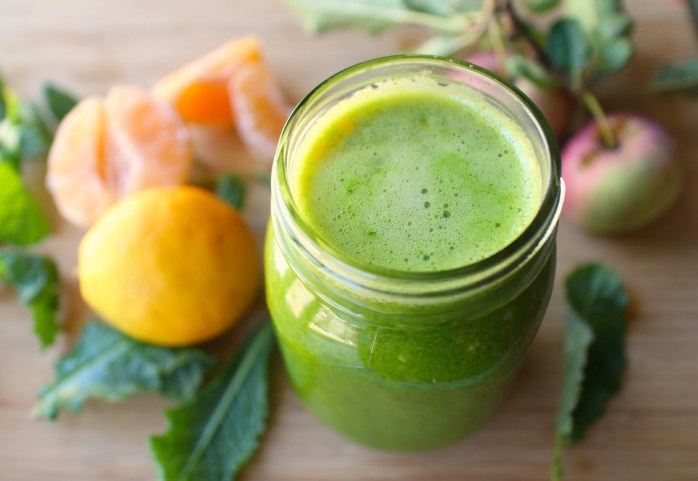
Juicing. Like many tools it can be very useful, when used well and appropriately. However many people seem to think that doing a course of juicing is a cleanse or detox, then return to their normal habits. While that is better than nothing it doesn’t give sustained benefits to health and wellness. What is juiced and how it is juiced also make a huge difference. A mixed fruit and veg juice from a room temperature stored tetrapak versus the same ingredients freshly juiced will be poles apart in the benefit for the body.
The good points
- Juicing is a great way to increase the amount of fruits and vegetables you consume.
- It can be a great way of getting raw veggies into kids.
- Many useful nutrients in vegetables are altered by cooking. Juicing these veg can greatly increase your intake of useful phytonutrients.
- There are many juice cleanse programs that can have a large impact on health.
- Intake of 100% fruit juice in appropriate amounts in generally beneficial to general health, cognition, cardiovascular health and antioxidant levels[i].
- Fruit juice is a better option metabolically than soft drinks sweetened with high fructose corn syrup, also known as glucose fructose syrup.
- Juices are a rich source of phytonutrients, including polyphenols, anthocyanins and other antioxidants.
- Fresh juices will always have a better nutritional value. Cold processed and lightly pasteurised juices also have more antioxidants than the more processed juices[ii].
- 100% fruit juice itself is not linked to long term sugar control issues, due to the presence of polyphenols, etc[iii],
These are the problems (mostly with 100% fruit juice).
- Sugar. Fruit juices are loaded in it. As part of the fruit it’s not much of a problem, the body processes it more slowly due to the presence of the fibre. Juicing though strips out all the fibre and you are left with a fast sugar kick. The subsequent drop in blood sugar can make some people feel hungry.
- The type of sugar. Not all sugars are the same. Fructose (the sugar form in fruit) is processed by the body in a very different way to other sugars such as glucose. Excess free fructose in the gut, whether from high fructose corn syrup/ glucose fructose syrup, fruit juice or fruit drinks, has been linked to increased rates of arthritis in young adults[iv], asthma in children[v].
- Fructose is also linked to Non-alcoholic fatty liver disease, dyslipdaemia (high blood lipids) and insulin resistance[vi].
- There are concerns that excessive fruit juice intake increases the risk of obesity in children[vii]. Some studies indicate this is more so for those already overweight.
- Fruit juices increase the risk of dental caries (tooth decay)[viii]
- Lack of fibre. Drinking fruit juice instead of eating whole fruit removes an often much needed source of fibre from the diet[ix].
How to get super juices
- Go veg heavy on your juices. Carrots and beetroot are both quite sweet.
- Experiment with a mix of fruit and veggies. Using a large variety instead of 2 or 3 ingredients is better for the body as small amounts of many antioxidants are better used by the body than large amounts of just a few.
- This is vital. Add some good quality organic cold pressed oil – olive oil for instance- to your juice. Having a source of fat in the juice greatly increases the body’s uptake of antioxidants and other phytonutrients. This is why you should always have an oil based dressing or fat source with a salad too!
- Consider a smoothie instead. This will boost the fibre intake and sustain energy longer.
- Add a source of protein – whether a powder or a raw egg, this mixes into a smoothie and gives a longer more sustained energy boost.
- For a fat source consider avocado or coconut oil.
- Drink the juice slowly and savour each mouthful
- You can add curcuma root, ginger, garlic and herbs if you wish to boost the function of your juice.
Changing habits
A few lifestyle changes will really assist the body in getting benefit from juicing. For instance:
- Juice regularly. Rather than a week of daily juices then losing enthusiasm, figure out when you can best fit in juicing and commit to doing that. Even 2 super juices a week is great, if you can keep doing it. You can always gradually increase your juicing!
- Mix it up, try different ingredient combinations.
- Reduce your intake of junk food. Even reducing it by one meal a week and having a healthier option will help.
- If you microwave, microwave in glass, never plastic as there can be leaching of substances from plastic into food.
Our juice recipe – for the gut and immune system.
4 beetroot
4 carrots
1 small head broccoli
1 small celery
1 fennel bulb
1 inch ginger
2 turmeric roots
1 handful of mixed bean sprouts
1 squeezed lemon
2-3 tbsp. olive oil
1 glug of apple cider vinegar with the mother
Organic ingredients wherever possible. If not organic, then soak the veg in water with some apple cider vinegar for 5 mins. Juice all but the last three ingredients, which you add to the juice and stir. well.
makes approx. 1 litre of juice (depending on the size of your veggies!)

Enjoy!
[i] Clemens, R., Drewnowski, A., Ferruzzi, M. G., Toner, C. D., & Welland, D. (2015). Squeezing Fact from Fiction about 100% Fruit Juice. Advances in Nutrition, 6(2), 236S–243S. http://doi.org/10.3945/an.114.007328
[ii] Nowak, D., Gośliński, M., Wojtowicz, E., & Przygoński, K. (2018). Antioxidant Properties and Phenolic Compounds of Vitamin C‐Rich Juices. Journal of Food Science, 83(8), 2237-2246.
[iii] Murphy, M. M., Barrett, E. C., Bresnahan, K. A., & Barraj, L. M. (2017). 100 % Fruit juice and measures of glucose control and insulin sensitivity: a systematic review and meta-analysis of randomised controlled trials. Journal of Nutritional Science, 6, e59. http://doi.org/10.1017/jns.2017.63
[iv] DeChristopher, L. R., Uribarri, J., & Tucker, K. L. (2016). Intake of high-fructose corn syrup sweetened soft drinks, fruit drinks and apple juice is associated with prevalent arthritis in US adults, aged 20–30 years. Nutrition & Diabetes, 6(3), e199–. http://doi.org/10.1038/nutd.2016.7
[v] DeChristopher, L.R., Uribarri, J., Tucker, K.L. 2015. Intakes of apple juice, fruit drinks and soda are associated with prevalent asthma in US children aged 2-9 years. Public Health Nutr; 1–8.
[vi] Ter Horst, K. W., & Serlie, M. J. (2017). Fructose Consumption, Lipogenesis, and Non-Alcoholic Fatty Liver Disease. Nutrients, 9(9), 981. http://doi.org/10.3390/nu9090981
[vii] Heyman, M. B., & Abrams, S. A. (2017). Fruit Juice in Infants, Children, and Adolescents: Current Recommendations. Pediatrics, 139(6), e20170967. https://doi.org/10.1542/peds.2017-0967
[viii] Heyman, M. B., & Abrams, S. A. (2017). Fruit Juice in Infants, Children, and Adolescents: Current Recommendations. Pediatrics, 139(6), e20170967. https://doi.org/10.1542/peds.2017-0967
[ix] Heyman, M. B., & Abrams, S. A. (2017). Fruit Juice in Infants, Children, and Adolescents: Current Recommendations. Pediatrics, 139(6), e20170967. https://doi.org/10.1542/peds.2017-0967
 Detoxicology