Detoxicology
Cleaning up the world, one person at a time
Detox and pregnancy
Detox during pregnancy – optimal health for you and your baby
Dr Fi Dann MSc Applied Toxicology, MSc Chiropractic, BSc Hons
Over time the human has evolved to the current complicated organism that we are now. This has taken time, and many people find that they don’t deal that well with grains, a product of the agricultural revolution 5000+ years ago. Over the last 200 years, and massively so over the last 60, we have changed our environment beyond all recognition. There are now a huge number of new chemicals and heavy metal toxins in quantities we were never designed to cope with. Our health is suffering, both physically and metally, and our children are having an ever increasing rate of neurological and behavioural problems, cancers, birth defects and allergic illnesses.
The placenta cannot keep out many toxic chemicals and metals, and babies are being affected.
This article is designed to help you have as healthy a pregnancy and baby as possible.
Chemicals and pollutants detected in human umbilical cord blood[i]
Up to 232 different man made chemicals have been found in the cord blood of newborn babies. These can only have got into cord blood from the mother.
These are just some of the chemicals:
Mercury (Hg) – tested for 1, found 1.
Pollutant from coal-fired power plants, mercury-containing products, and certain industrial processes. Accumulates in seafood. Harms brain development and function.
Polyaromatic hydrocarbons (PAHs) – tested for 18, found 9.
Pollutants from burning gasoline and garbage. Linked to cancer. Accumulates in food chain.
Polybrominated dibenzodioxins and furans (PBDD/F) – tested for 12, found 7
Contaminants in brominated flame retardants. Pollutants and byproducts from plastic production and incineration. Accumulate in food chain. Toxic to developing endocrine (hormone) system
Perfluorinated chemicals (PFCs) – tested for 12, found 9
Active ingredients or breakdown products of Teflon, Scotchgard, fabric and carpet protectors, food wrap coatings. Global contaminants. Accumulate in the environment and the food chain. Linked to cancer, birth defects, and more.
Polychlorinated dibenzodioxins and furans (PCDD/F) – tested for 17, found 11
Pollutants, by-products of PVC production, industrial bleaching, and incineration. Cause cancer in humans. Persist for decades in the environment. Very toxic to developing endocrine (hormone) system.
Organochlorine pesticides (OCs) – tested for 28, found 21
DDT, chlordane and other pesticides. Largely banned in the U.S. Persist for decades in the environment. Accumulate up the food chain, to man. Cause cancer and numerous reproductive effects.
Polybrominated diphenyl ethers (PBDEs) – tested for 46, found 32
Flame retardant in furniture foam, computers, and televisions. Accumulates in the food chain and human tissues. Adversely affects brain development and the thyroid.
Polychlorinated Naphthalenes (PCNs) – tested for 70, found 50
Wood preservatives, varnishes, machine lubricating oils, waste incineration. Common PCB contaminant. Contaminate the food chain. Cause liver and kidney damage.
Polychlorinated biphenyls (PCBs) – tested for 209, found 147
Industrial insulators and lubricants. Banned in the U.S. in 1976. Persist for decades in the environment. Accumulate up the food chain, to man. Cause cancer and nervous system problems.
Source: Chemical analyses of 10 umbilical cord blood samples were conducted by AXYS Analytical Services (Sydney, BC) and Flett Research Ltd. (Winnipeg, MB).
Rise of conditions with an association to environmental pollutants:
| Autism | 15X | Increase
Early 1980’s-2015 |
| Male Birth Defects | 2X | Increase
Hypospadias 1970-1993 |
| Childhood asthma | 2X | Increase
1982-1993 |
| Acute Lymphocytic Leukemia | 62% | Increase in children 1973-1999 |
| Childhood Brain Cancer | 40% | Increase 1973-1994 |
| Preterm Birth | 23% | Increase mid 1980’s-2002 |
| Sperm Counts | 1% | Decrease yearly 1934-1996 |
| Infertility | 5-10% | Of couples |
What you can do:
Take cell wall broken, micronised chlorella
Chorella binds mercury, reducing the amount transferred from the mother to the baby during pregnancy. Mercury is a very strong toxin to the nervous system and crosses the placenta to reach the baby. The amount of amalgam fillings (silver fillings) a mother has corellates to the level of mercury that is found in the baby’s blood and in the amniotic fluid, and also the level found in breast milk.
Mercury levels of up to 20 ng of mercury per gram of brain have been found in infants[ii]. A level of 0.02ng is known to be enough to cause degeneration of the axon – this is the part of the neuron (brain cell) that connects to other neurons to pass signals through the brain. Vital cell processes that detoxify substances in the brain and help brain cells mature are also affected. The mercury levels found in many babies are enough to affect their neurological development. Therefore anything you can do to reduce the amount of mercury crossing the placenta and entering breast milk, the better.
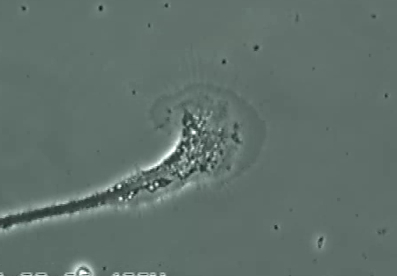
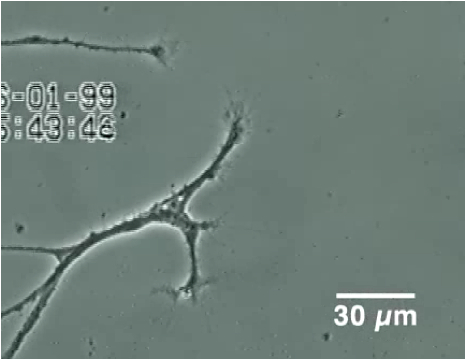
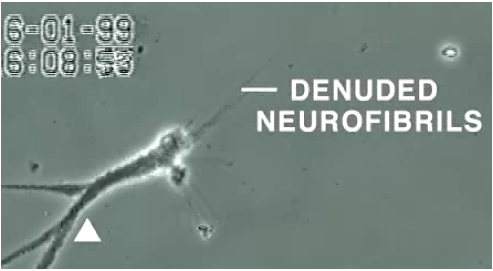
This is the effect on a neuron of exposure to a small amount of mercury[iii]:
pre exposure: The end of an axon process.
Early exposure:
The whole neuron axon affected
Late exposure:
Loss of length of the axon, degeneration.
Other chemicals:
Dioxins have been detected in cord blood of babies and in breast milk. Supplementation with chlorella significantly reduced dioxin levels in breast milk and also increased the amount of IgA[iv]. IgA in breast milk reduces the risk of infection for newborn and young babies.
Chlorella also helps reduce the risk of pregnancy induced hypertension (high blood pressure) and pregnancy anemia[v]. Women taking chlorella during pregnancy also had less protein in the urine than was seen in the control group. Protein in the urine can be a sign of pre-eclampsia. It is a rich natural source of iron, folate and B12 in a very bioavailable form.
The best form of chlorella is not just cell wall broken but also ultra-micronised to increase the effectiveness by over 50x compared to normal chlorella.
Take diatomaceous earth and colloidal minerals:
This is a rich source of silica, and the unique shape of food grade mdiatomaceous earth is an exellent toxin binder in the gut and gets rid of any intestinal worm that are stealing nutrients from you and producing toxins that affect health. In addition it is a great mineral and silica source. The great majority of women are mineral deficient, and these minerals are needed for the baby to develop and grow.
Take foods to support the liver:
The liver is effectively the processing plant of the body, detoxifying chemicals and various other substances in the body, breaking down what is not needed and making all sorts of necessary proteins and vitamins needed for normal body functioning. It can get functionally rather stressed in pregnancy. The better it is working, the better your general feeling of wellbeing and energy tend to be.
Foods that really help:
- Turmeric – the indian spice that doesn’t have a strong flavour but does give everything a lovely yellow colour. It is a fantastic liver herb, it is good for the brain and is anti-inflammatory in general and for the joints.
- Lemon – freshly squeezed within 4 hours of drinking it so that it has a great ‘alkalizing’ effect on the body, helping to drain excess acids from the body. Other citrus adds to the acid burden of the body, only lemon has this particular effect.
- Artichoke, cranberries with the seeds, dandelion, fresh raw vegetables, nuts and seeds in general but all must be chewed really well. Vegetable juices with some raw beetroot, a little apple to sweeten, ginger and various green veggies, carrot etc can be a really useful drink to get lots of useful nutrition without too much volume of veg to digest.
Take foods to support the adrenals – to help your energy
Many women are in quite a state of adrenal exhaustion when entering pregnancy. Thiose who have come of the pill and become pregnant straight away, those who live on coffee and sugar to keep them going, those who are permenantly tired etc.
Often pregnant women will start to feel fantastic as they get to around 7 months pregnant. This is thought to be due to the baby’s adrenal glands starting to produce good levels of the hormones that help us cope with stress amongst other function. These hormones do cross the placenta, and if the mother has low adrenal hormones, she can effectively take them from the baby, who can then be born in a state of ‘adrenal exhaustion’ which can predispose them to asthma, excema etc.
To help your adrenals:
- Reduce/ avoid sugar. It steals nutrients from the body as well as causing large variations in the blood sugar level and stressing the body
- Reduce/ avoid caffiene
- Eat little and often, in a relaxed and non-rushed way, and really chew your food
- Sleep and nap where possible
- Foods rich in B vitamins, magnesium and vitamin C will really help the adrenals.
Take foods to nourish the baby’s brain
We are very omega 3 essential fatty acid deficient in the western world. Good omega 3 sources include the oily fish and the fish oil supplements. Although fish is an exellent source, the level of contamination in the ocens adds to our toxic body burden. You can take micronised chlorella with fish to help bind these toxins, or more easily take a certified mercury free fish oil – preferably one that has been kept chilled. Don’t take it in the last month of pregnancy as it is a mild anti-coagulant. This is very advantageous in pregnancy but not at birth.
The vegetarian sources include flax, hemp and linseed, nuts and seeds in general and even green leafy veg which have a good omega 3:6 ratio even though the amounts are small. Any hemp/flax or linseed needs to be freshly ground up each day or the oils go rancid in air. I don’t generally recommend sticking to only plant based omega 3’s as not everyone can do the necessary metabolic conversion to turn plant sources of omega 3 into the form we need.
To avoid in pregnancy, breast feeding ,and when trying to get pregnant
- Don’t have amalgam fillings removed while breast feeding or pregnant. This is because the blood level of mercurywill triple even if the removal is done by a dentist expert in mercury issues. Removal and detox prior to pregnancy is optimal, otherwise taking ultra-micronised chlorella will really help.
- Don’t have any artificial sweeteners. Aspartame (nutrasweet) is particularly bad. This can reach the baby and has the potential to affect the brain. Small children also should never be given these low/no sugar drinks that are sweetened with aspartame.
- Don’t gobble food and eat on the run. You won’t get the nutrients in the same way.
- Don’t eat large predatory fish as they concentrate toxins in their flesh. Tuna, marlin, swordfish and large mackeral are problematic.
- Don’t have a mobile phone anywhere near the bump or baby. There are known to be effects on the brain, and a baby has such a thin skull that they are vulnerable. Mobile phone signals affect the membrane around brain cells, stopping them getting some nutrients they need and getting rid of metabolic waste and toxins. It also affects the blood-brain barrier in older babies, children and adults.
- Don’t avoid nuts – too many people do and this lack of exposure in the womb is thought to be one of the causes of nut allergy in children. Nuts and seeds are mineral and fat-soluble vitamin rich. They also have omega 3 essential fatty acids. Nuts are best raw and ideally from the shell. With packaged nuts make sure a package is sealed when not is use and eaten within a week – ten days of opening. Keeping an open packet in the fridge also helps preserve the oild in nuts from rancidity.
- Don’t use licorice – it may impact your blood pressure and can also lead to the child having higher blood pressure.
- Don’t use any detox method that will mobilise toxins from the body tissues as this may lead to the baby accumulating more
Planning pregnancy? Then…..( both partners)
- Talk to an expert about removing amalgam fillings, and use the amalgam removal protocol on this site.
- Do a good detox that removes toxic metals (Ultramicronised chlorella), chemical and fungal toxins
- Supplement with a good multivitamin and mineral
- Take pure fish oil certified mercury free
- Reduce sugar and alcohol, take an adrenal suplement such as Nutri adrenal extra if run down / tired/ relient on sugar or caffiene/ having blood sugar control issues.
References
[i] http://www.ewg.org/reports/bodyburden2/execsumm.php
[ii] Mutter J. 2011. Is dental amalgam safe for humans? The opinion of the scientific committee of the European Commission. J Occ Med and Tox 6:2
[iii] http://www.youtube.com/watch?v=XU8nSn5Ezd8
[iv] J Med Food. 2007 Mar;10(1):134-42.
Chlorella (Chlorella pyrenoidosa) supplementation decreases dioxin and increases immunoglobulin a concentrations in breast milk.
Nakano S, Takekoshi H, Nakano M.
[v] Plant Foods Hum Nutr. 2010 Mar;65(1):25-30.
Chlorella pyrenoidosa supplementation reduces the risk of anemia, proteinuria and edema in pregnant women.
Nakano S, Takekoshi H, Nakano M.
 Detoxicology